


Have any question about this product?
Our team is ready to assist you with more details.
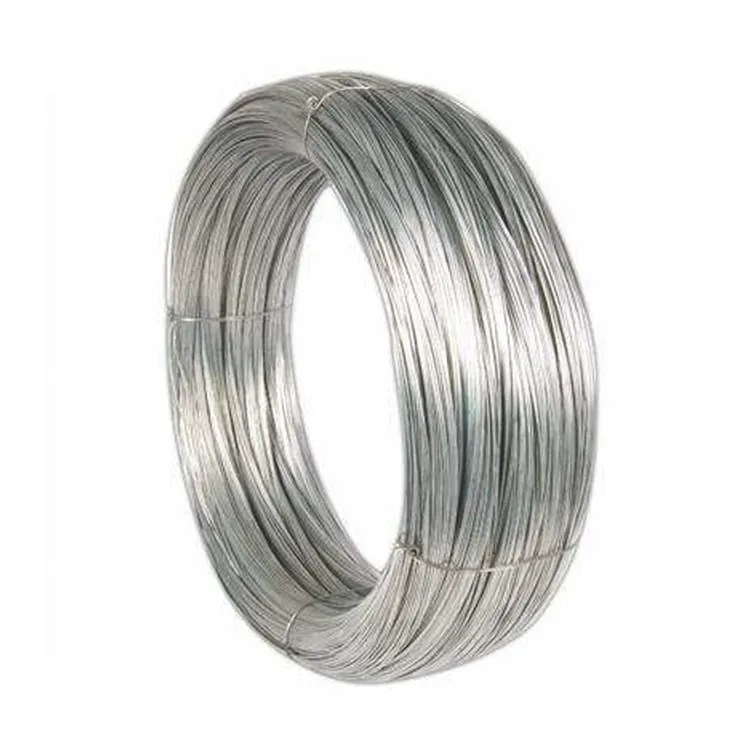
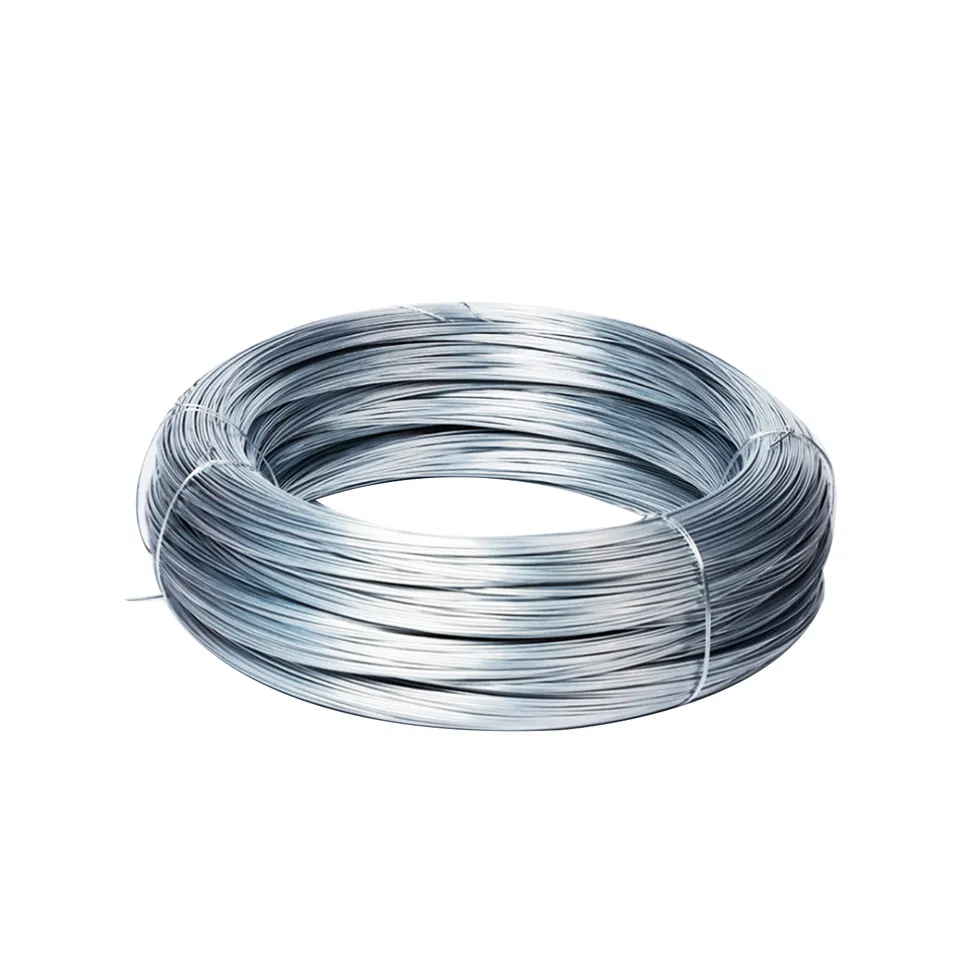
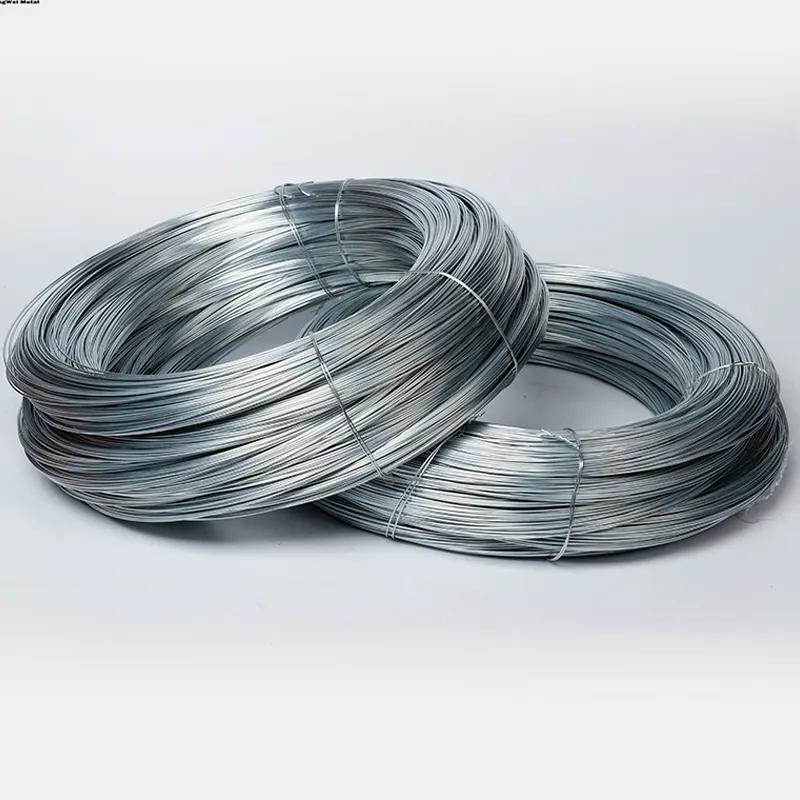
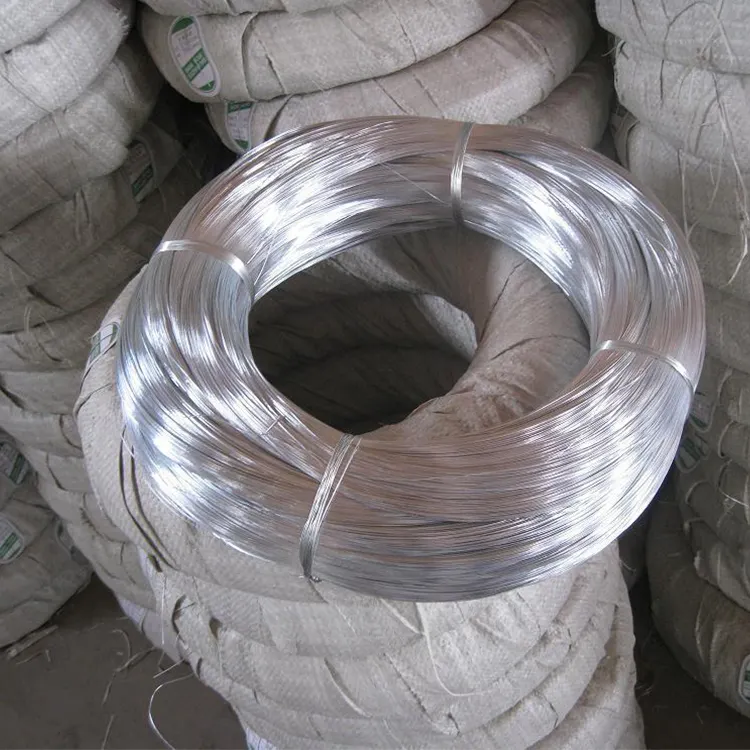
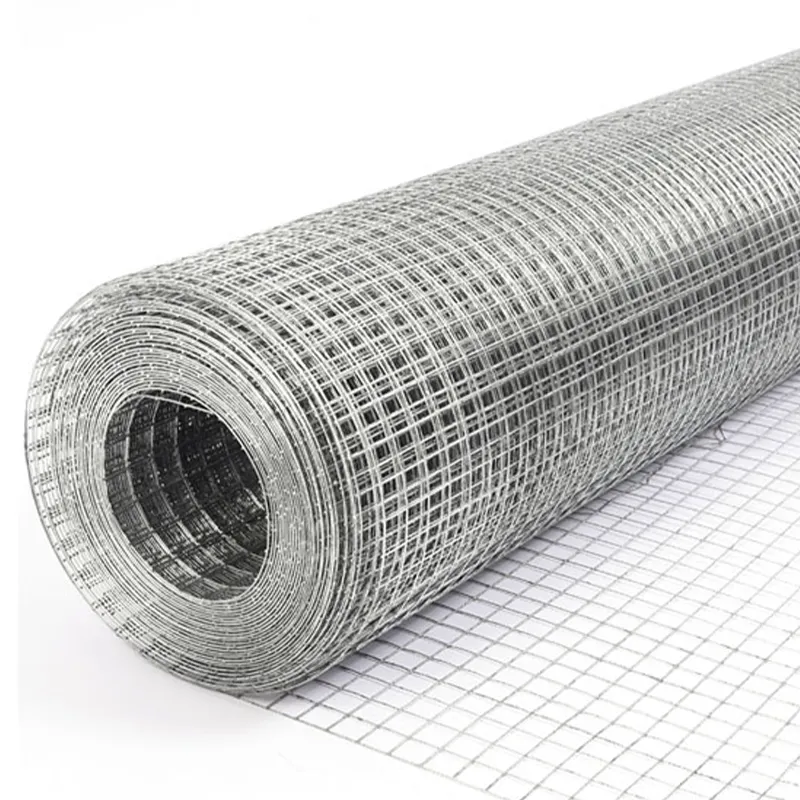
Elevate your projects with our premium GI Wire, a testament to enduring strength and versatile utility. Crafted from high-quality galvanized iron, our GI Wire offers exceptional corrosion resistance and remarkable durability, making it an indispensable asset across diverse applications.
- Galvanized Excellence: Our GI Wire boasts a protective zinc coating that shields against rust and corrosion, ensuring longevity even in challenging environments.
- Uncompromising Strength: Built to withstand the test of time, our GI Wire provides unwavering support, making it an ideal choice for reinforcement, fencing, and more.
- Adaptable Versatility: From construction to crafting, our GI Wire adapts seamlessly to various projects. Whether it’s binding rebar, crafting art, or creating durable fences, the possibilities are endless.
- Easy Handling: The malleability of our GI Wire simplifies bending, shaping, and installation, empowering both professionals and DIY enthusiasts.
- Reliable Choice: When you choose our GI Wire, you opt for a reliable solution backed by quality craftsmanship, engineered to meet your project’s needs.
- Raw Material Selection Begin the manufacturing process by selecting high-quality iron rods that will serve as the raw material for GI Wire production.
- Drawing and Cleaning Draw the iron rods through a series of dies to reduce their diameter to the desired size. This process also cleans the rods of any impurities, ensuring uniformity.
- Wire Annealing Subject the drawn wire to annealing, a heating and cooling process that softens the wire, making it more malleable and ready for the galvanization process.
- Wire Galvanization Immerse the annealed wire into a bath of molten zinc to apply a protective zinc coating. This galvanization process enhances the wire’s corrosion resistance, making it suitable for outdoor applications.
- Cooling and Inspection Allow the galvanized wire to cool and solidify. Inspect the wire for any defects or irregularities in the galvanized coating.
- Wire Coiling After inspection, wind the galvanized wire onto spools or coils. This prepares the wire for further processing and packaging.
- Cutting and Packaging Cut the coiled wire into smaller lengths, according to the specifications required for various applications. Carefully package the GI Wire to ensure its quality during transportation.
- Quality Control and Testing Conduct quality control tests on a sample of the produced GI Wire to ensure it meets the required standards for strength, corrosion resistance, and other parameters.
-
GI Wire, short for Galvanized Iron Wire, is a steel wire coated with a layer of zinc through a galvanization process to enhance its corrosion resistance.
-
GI Wire has a wide range of applications, including construction, fencing, agriculture, crafting, and more. It’s used for binding rebar, creating durable fences, supporting plants, and various DIY projects.
-
Yes, GI Wire is coated with a layer of zinc, which provides corrosion resistance that regular steel wire lacks. This makes GI Wire more suitable for outdoor and long-lasting applications.
-
While both GI Wire and stainless steel wire offer corrosion resistance, stainless steel’s resistance is inherent to its composition, whereas GI Wire’s resistance comes from the zinc coating.
-
Yes, GI Wire is widely used in agriculture for purposes such as trellising plants, creating supports, and securing fences for livestock.
-
GI Wire is made from steel and coated with zinc, while aluminum wire is made entirely from aluminum. Aluminum wire is lightweight and has different conductivity properties.
-
Yes, GI Wire is commonly used in construction for binding rebar and creating mesh for concrete reinforcement. Its strength and corrosion resistance make it a reliable choice.
-
Yes, GI Wire comes in various gauges, allowing you to choose the appropriate thickness for your specific project needs.
-
While the zinc coating provides good corrosion resistance, marine environments can be highly corrosive. In extreme marine conditions, stainless steel wire might be a better choice.
-
Yes, GI Wire can be further coated or painted if desired, although the zinc coating already provides significant corrosion protection.
Related Products

Send us a Message
Select your preferred messaging app below, then tap Copy Message & Open App to continue.
Choose Messaging App
Ready Message
Hi! I’d like to inquire about this product
Product Name: GI Wire
Link: https://www.tigermetal.ph/products/gi-wire/
Thanks!